
Prostate Surgery & Your Sex Life: The Expert Truth (Without the Panic)

A diagnosis that includes the words "prostate surgery" can hit even the toughest guy like a sucker punch. First, the health worries. Then, amidst the chaos, a tiny, insidious imp whispers one terrifying word: "Impotent." To some, this might sound like vanity, but for many men, this fear is a genuine nightmare, even without health problems. And suddenly, it’s real, thanks to a doctor’s verdict.
The fear of losing masculinity and intimacy can be as strong as the fear of the disease itself. But here’s the deal: navigating this challenging stage with peace and hope starts with clear, no-BS information. And that’s exactly what we’re serving up.
The Prostate: Your Body’s VIP Lounge Manager
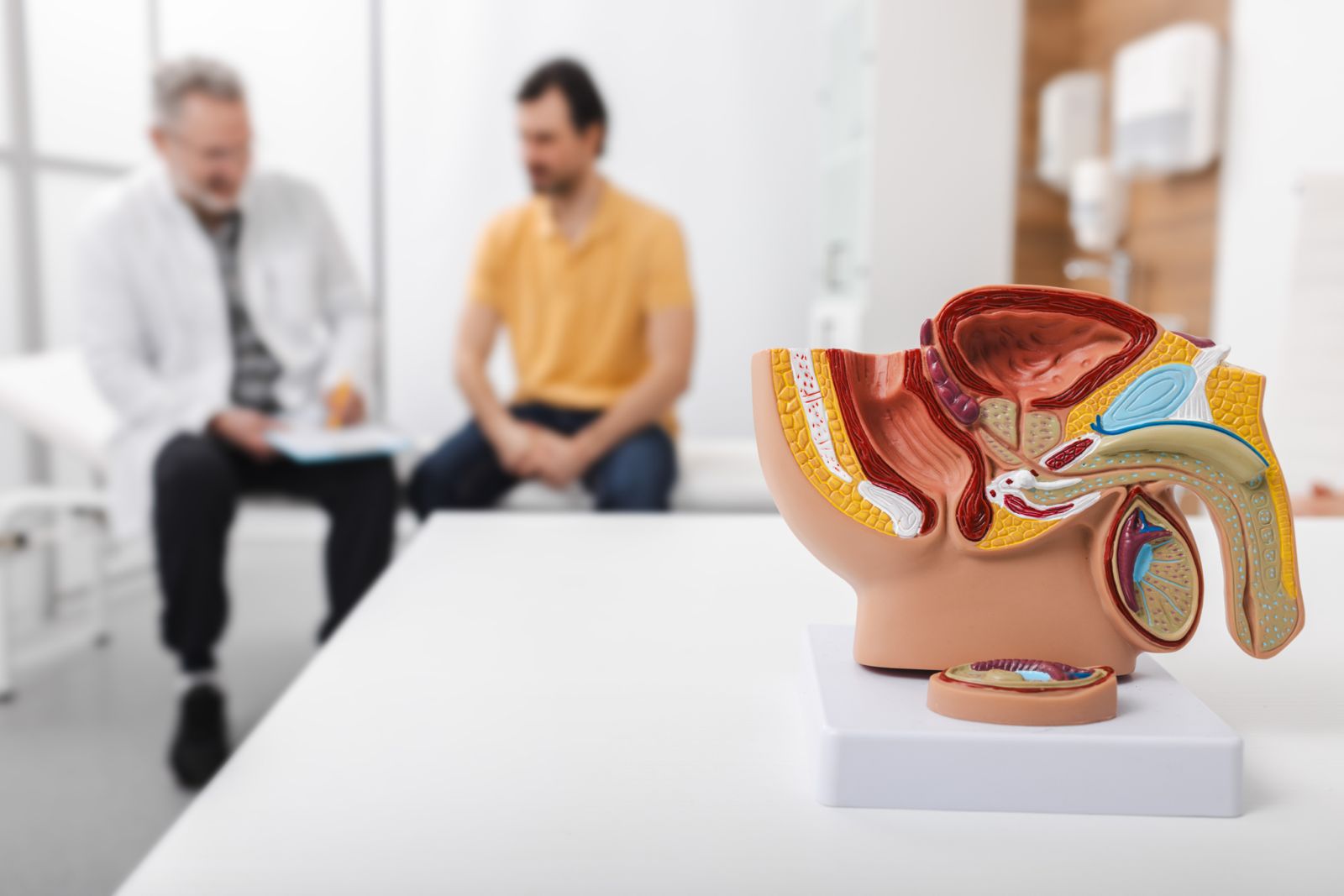
Let’s get straight to it: the prostate is a small, walnut-sized gland unique to men, nestled just below your bladder and in front of your rectum. It’s the bouncer for your urethra, the tube that handles both urine and semen. Its main gig? Producing fluid that nourishes and protects sperm, making up a big chunk of your semen. During the main event, it helps propel that semen. Plus, it’s loaded with nerve endings, making it a key player in pleasure—often dubbed the "P-spot" or "male G-spot." So yeah, it’s not just about making babies; it’s about making magic too.
When the Knife Comes Out: Understanding Prostate Surgery
This little gland packs a big punch in male health. Doctors usually bring out the big guns (surgery) in two main scenarios:
• Benign Prostate Enlargement (BPE): When your prostate gets a bit too enthusiastic and grows, causing serious urination problems. Think of it as a traffic jam in your plumbing.
• Prostate Cancer: The more serious contender, requiring a more aggressive approach.
For the average Joe, it’s crucial to know there are different types of operations, and the risk of post-op erection problems varies wildly.
• TURP (Transurethral Resection of the Prostate): Often used for BPE. This is a minimally invasive method where a piece of the prostate is removed through the urethra. It’s gentler, and the risk of permanent impotence is significantly lower. Your plumbing gets a tune-up, not an overhaul.
• Open Surgery (for very large prostates): Sometimes, if the prostate is a behemoth, they go in through the bladder. More involved, but still less risky for your sex life than the big one.
• Radical Prostatectomy: This is the full Monty, used for cancer. They remove the entire prostate. This is where the risk of affecting your sexual functions is highest, because those delicate nerve bundles crucial for achieving an erection are practically roommates with your prostate. It’s a precision operation, and sometimes, those nerves take a hit.
The Erection Rollercoaster: Temporary, Permanent, or "What Problem?"
Whether and how surgery impacts your erection is a complex cocktail of factors. Key players include whether the surgeon can save those crucial nerves (hello, nerve-sparing surgery!), your pre-op sexual health, overall well-being, and age.
• Temporary Impotence: This is super common after radical surgery. Your pelvic nerves and tissues just got rocked and need time to chill and regenerate. This can last weeks, months, or even a year or two. This is a healing process, not a definitive end. Think of it as your body’s extended pit stop.
• Permanent Impotence: Can happen if both nerve bundles have to be sacrificed due to the extent of the disease. Even then, modern medicine isn’t throwing in the towel. There are solutions to get you back in the game.
• No Impotence (or a blink-and-you-miss-it limitation): Many men experience this, especially after gentler procedures or successful nerve-sparing ops, particularly if they were rockstars in the bedroom before surgery.
Crucial point: Erection problems post-surgery are physical. They’re about nerves and blood flow, not a sign of lost masculinity or psychological weakness. Your worth isn’t measured by your erection, but by your courage and resilience.
Intimacy & Relationships: Beyond the Physical
Intimacy is a deep connection, far beyond just the physical. When illness and the fear of losing an erection crash the party, anxiety is a natural guest. The secret weapon? Open and honest communication. Your partner needs to know that your love and worth aren’t tied to sexual performance. Explore new forms of closeness—touching, hugging, quality time. These can actually strengthen your bond.
Need a little guidance on navigating individual sexual practices when dealing with erectile dysfunction? Check out our video lesson on Lusole.com.
Patience, understanding, and your partner’s unwavering support are gold during this period. Fear shrinks when you’re not alone and when you focus on mutual support. While the disease might change physical manifestations, it doesn’t have to weaken your emotional bond. True intimacy blossoms from vulnerability and acceptance.
Feeling overwhelmed? Seeking psychological help is a power move, not a weakness. It offers a safe space to unpack these issues.
The Comeback Plan: Practical Steps to Reclaim Your Sex Life
Getting back to sexual health after prostate surgery demands time, patience, and a proactive strategy. Here’s your game plan:
1 Penile Rehabilitation: Don’t Just Sit There! Experts recommend starting so-called penile rehabilitation as soon as your doctor gives the green light (usually 4 to 8 weeks post-op). The goal? Keep those tissues perfused and oxygenated while your nerves get their act together. This involves medications (hello, erection-supporting pills!), vacuum pumps, or injections. Talk to your urologist about your personalized comeback plan.
2 Pelvic Floor Power-Up (Kegel Exercises): Your Secret Weapon These aren’t just for women, fellas! Strengthening your pelvic floor muscles won’t just help with potential urinary leakage; it also boosts blood flow to the pelvic area and supports erections. Ready to master them? Find the Full Kegel Lesson on the Lusole.com platform.
3 Patience, Grasshopper: Respect Your Body’s Timeline Nerve regeneration is a marathon, not a sprint. Don’t get frustrated if results aren’t instant. Give your body the time it needs to heal and rebuild.
4 Explore New Intimacy Frontiers: Beyond Penetration. While you’re waiting for full function to return, don’t put your sex life on hold. Cuddling, massages, and non-penetrative sexual techniques can keep the spark alive and kick performance pressure to the curb.
5 Healthy Lifestyle: Your Erection’s Best Friend. What’s good for your heart is good for your erection. A healthy diet, regular exercise, and cutting back on smoking and excessive alcohol are massive wins for healing and overall blood circulation. It’s basic science, and it works.
The Final Word: You’ve Got This.
Prostate surgery is a tough battle, but it absolutely does not mean the end of your intimate life. With your partner’s support, top-notch medical care, and an active approach to rehabilitation, your chances of maintaining intimacy and joy are incredibly high. You’re in this together, and with determination, you can conquer this challenge.
Remember, for your loved ones, your health and presence are paramount. Your worth isn’t determined by the hardness of your penis, but by the sincerity of your embrace. Stay strong, stay informed, and keep living boldly.
Yours, Monika and Joey